10 Questions to Ask a Roofer in High Wycombe | Fix All Roofs
Top 10 Questions to Ask Your Roof Contractor in High Wycombe Before Hiring Them To Fix Or Replace Your Roof
When you need a professional roof contractor in High Wycombe, making an informed decision is vital. Your roof is your home’s primary line of defence against the unpredictable British weather, protecting your family and your property from costly water damage.
Whether you are dealing with a sudden leak requiring an emergency roof repair or planning a complete roof replacement, choosing the right local contractor can save you time, money, and stress. To help you secure the best local service, we have compiled the top 10 questions you should ask any roofer in High Wycombe, Beaconsfield, or Chalfont St Giles before signing a contract.
"Choosing the right local roof contractor protects your investment, secures genuine warranties, and prevents future structural headaches."
1. Are You Insured and Covered by Professional Trade Bodies?
It is essential to work with an insured contractor to safeguard your property. You should always ask to see proof of Public Liability Insurance before work begins.
Do roofers need a licence in the UK?
Strictly speaking, formal licensing for roofers does not exist in the UK. Many professionals learn their trade through apprenticeships or multi-generational family businesses. Instead of a standard licence, reputable contractors hold accreditations from recognized trade bodies or consumer platforms.
When vetting a roof repair company in High Wycombe, check their track record on external, independent review platforms. Search for their business on Google Maps and read reviews across multiple websites to check their consistency in customer service and workmanship.
2. Do You Have Experience with My Specific Type of Roof?
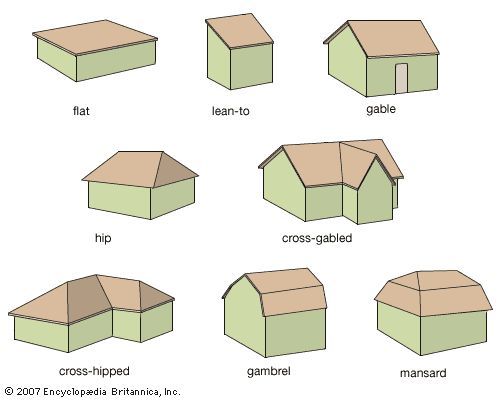
Different residential architectural styles across Buckinghamshire require distinct roofing skills. Ensure your chosen contractor has deep experience with your specific roof type, whether you have a traditional pitched roof or a modern flat roof extension.
While many local roofers are proficient across the board, specialized knowledge matters:
- Flat Roofs: Requiring specific materials like EPDM rubber, GRP fiberglass, or felt torch-on systems. Poor installation can lead to immediate pooling water issues.
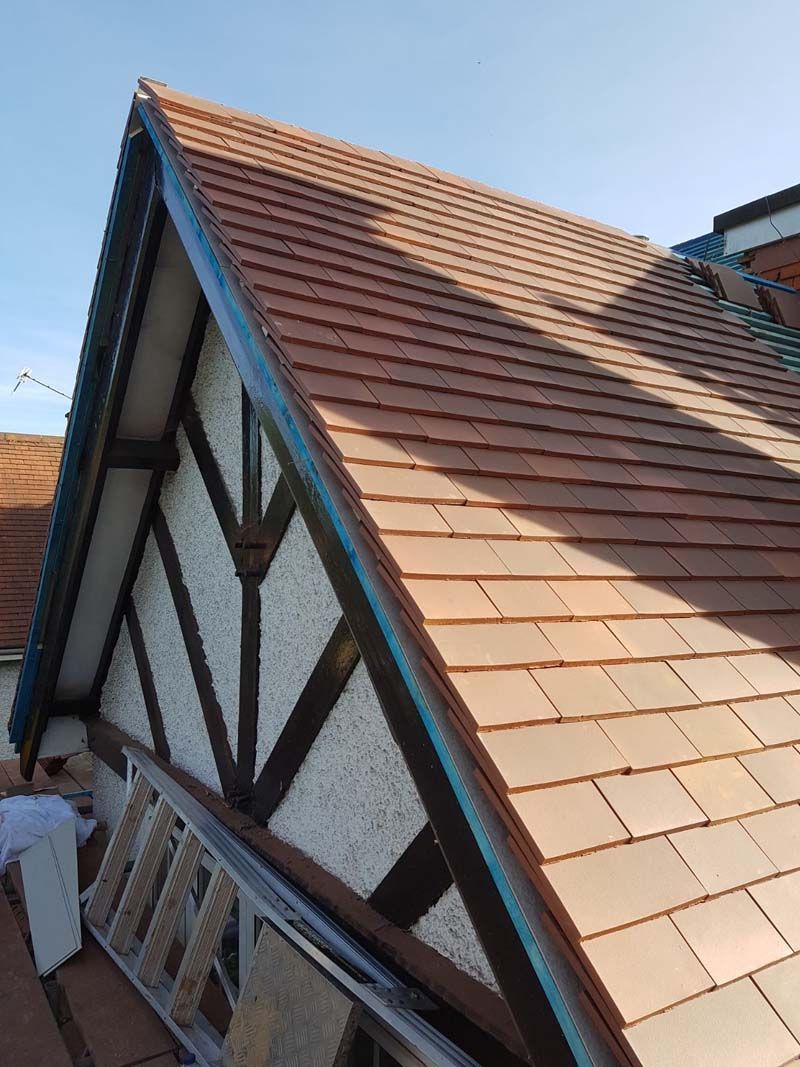
- Pitched Roofs: Involving slate or clay tiles. A roofer who only handles flat roofs may struggle with the intricate timber construction, regular pitfalls, and subtle leak sources inherent to pitched structures.
Looking to upgrade or repair a flat roof extension? Explore our dedicated Flat Roof Services here.
3. Can You Provide Local References or Examples of Recent Past Work?
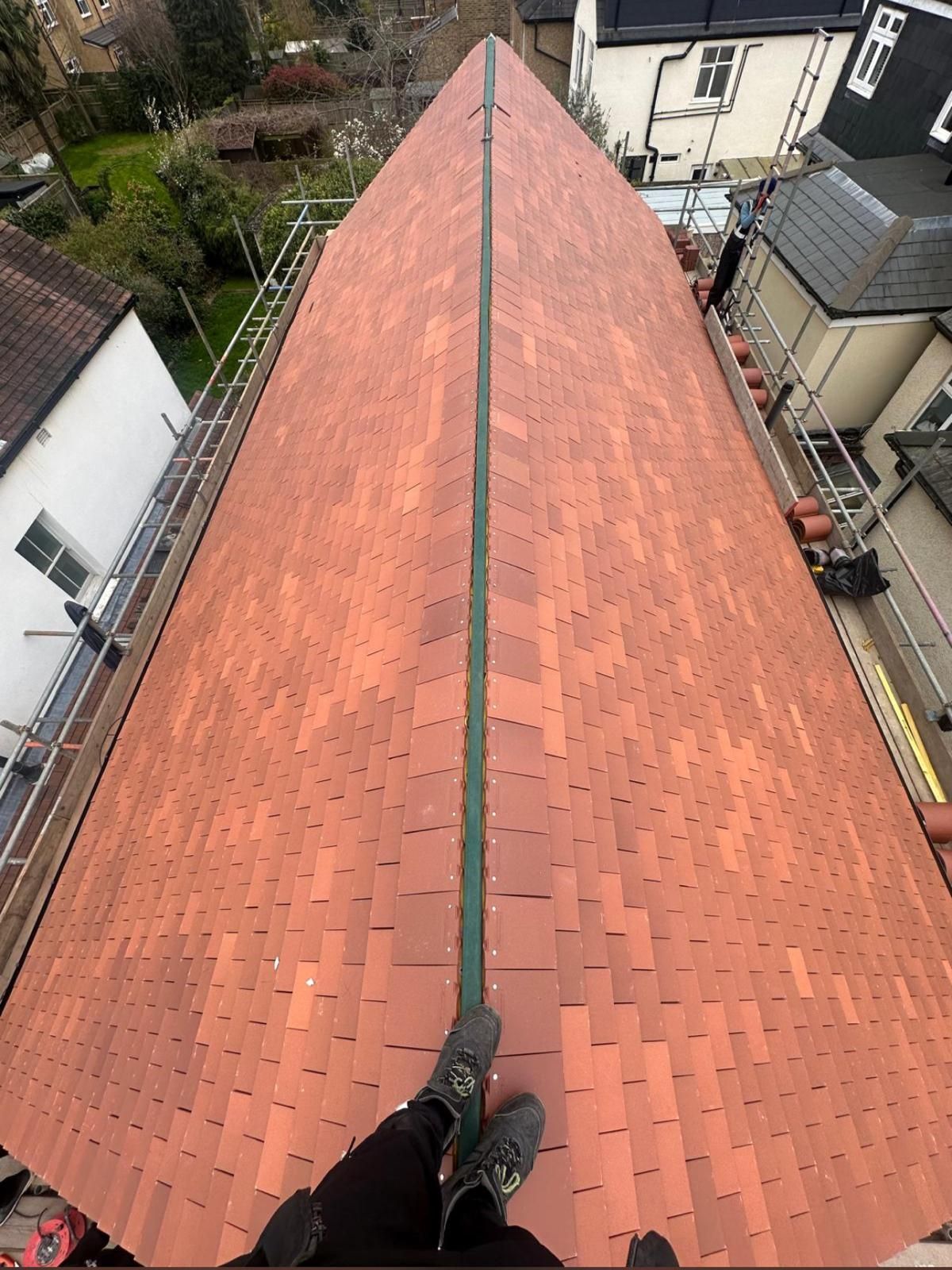
Requesting references or viewing recent projects allows you to gauge the quality of a contractor’s craftsmanship. A reputable local company will gladly show you examples of completed projects in the Buckinghamshire area.
While speaking to a past customer can be helpful, keep in mind that companies naturally put forward their most satisfied clients. For a balanced, transparent view, it is best to cross-reference these examples with live online customer feedback.
4. What is the Estimated Timeline for the Roof Repair or Replacement?
Understanding the timeline for your roofing project is essential for
planning purposes. Ask the contractor for an estimated timeline, including start and completion dates, so you know what to expect. Remember, timelines are estimates, changes in weather forecasts, material supply issues, unexpected curve balls can all change timelines, what you are
looking for is a roofing contractor that communicates this when it happens.
5. What On-Site Safety Measures Will You Implement?
Roofing is inherently hazardous. Homeowners should ask how a contractor plans to protect both the site workers and the residents living below.
For standard residential properties in High Wycombe, professional safety measures usually involve installing secure scaffolding for access, using safety harnesses where appropriate, setting up ground safety cones, and implementing strict hazard management to keep your garden and walkways safe.
Have an urgent leak or structural concern? Contact the Fix All Roofs team today for advice or to book an emergency inspection.
6. How Will You Handle Waste Removal and Disposal?
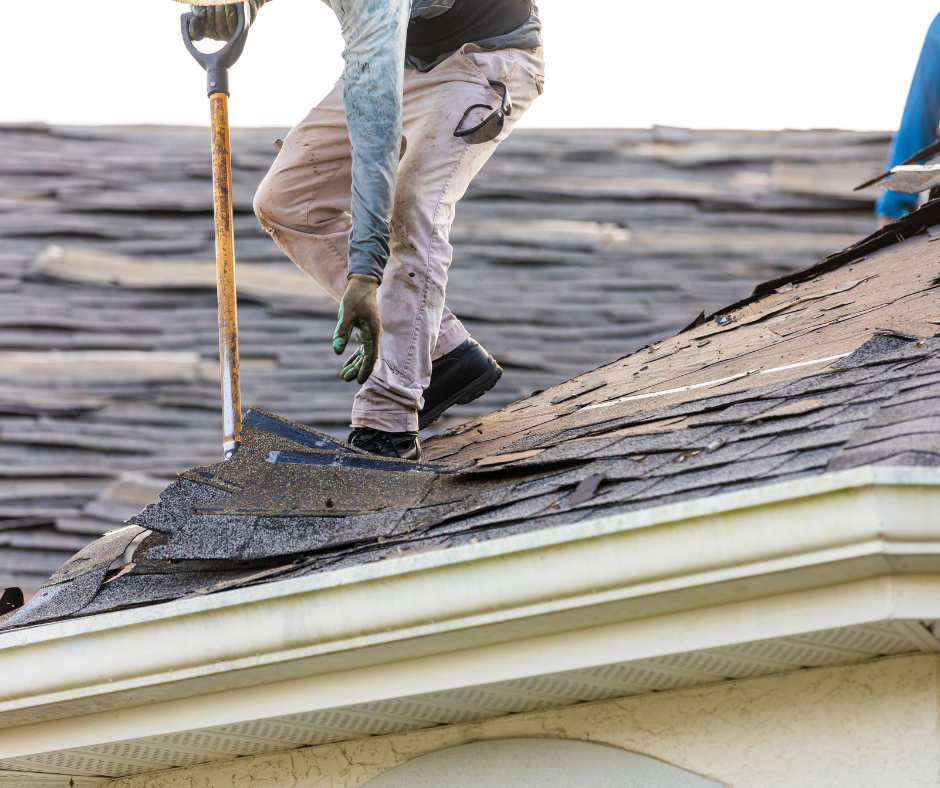
Stripping an old roof generates substantial waste, including old tiles, decayed timber batons, and torn felt layers. You must ensure your contractor has a clear plan to clear the site safely.
If you are undertaking a partial repair, reusing salvageable tiles can reduce material waste. However, items like old felt and rotten batons must be disposed of legally and responsibly. Confirm whether your roofing contractor holds a valid Waste Carrier Licence issued by the UK Environment Agency to ensure your waste doesn't end up fly-tipped.
"Responsible roofing contractors always dispose of building waste properly through registered commercial waste routes."
7. Do You Offer Warranties or Insurance-Backed Guarantees?
A trustworthy company stands behind its workmanship. Always ask what guarantees apply to both the raw materials used and the physical labour provided.
- Material Warranties: These are issued directly by manufacturers (such as tile or membrane producers) and are passed on to you, provided the contractor follows strict installation guidelines.
- Workmanship Guarantees: These are issued by the contractor to cover the installation quality. For long-term peace of mind, ask if they offer Insurance-Backed Guarantees (IBGs). An IBG ensures that even if the roofing company ceases trading in the future, your financial investment and roof repair remain fully protected.
8. What is Your Payment Schedule for Large Roofing Projects?
Clarity around payment terms prevents stressful misunderstandings later on. A professional contractor will provide a clear schedule before any scaffolding goes up.
Industry Warning: Never hire a contractor who demands 100% of the payment upfront, especially for large structural jobs.
For standard residential roof replacements, a standard practice involves a 50% deposit upfront to secure the booking, allocate the skilled labour, and purchase materials. The remaining 50% balance is paid only upon successful completion of the project and your final sign-off.
9. Will You Verify if Planning Permission or Building Regulations are Needed?
For the majority of standard roof repairs and direct tile-for-tile replacements, formal planning permission is not required under UK Permitted Development rights.
However, under
UK Building Regulations, if you are replacing more than 25% of a roof's total area, you must upgrade the insulation to meet current thermal standards and notify Local Authority Building Control. While a professional roofer can advise you on these rules based on local Buckinghamshire guidelines, it remains the legal responsibility of the homeowner to verify compliance.
10. How Will You Communicate with Me Throughout the Project?
Miscommunication is the number one cause of friction between homeowners and tradespeople. Ask your project manager how often they will provide updates and who your main point of contact will be on-site.
Roofing companies work on sites daily, and it can be easy to forget that a homeowner might never have experienced a major property renovation before. A clear communication plan ensures you know exactly when teams are arriving, when materials are being delivered, and how unexpected findings are handled.
Conclusion: Securing Your Roof in Buckinghamshire
By asking these ten structural questions, you can confidently filter out rogue traders and select a reliable roof contractor in High Wycombe, Beaconsfield, or Chalfont St Giles. Your roof is a long-term investment in your home’s structural safety, it pays to choose a team you can rely on.
If you are looking for a reliable, experienced, and local roofing team, Fix All Roofs is here to help. We provide transparent assessments, detailed quotes, and fully compliant roofing services across the region.
Contact us today at Fix All Roofs to schedule a consultation.